
Reducing Technology Bottlenecks: Creating More Efficient Hospitality Operations


In the hospitality industry, technology is no longer simply a support function operating behind the scenes. From online bookings and digital check-ins to point-of-sale systems, Wi-Fi, payment platforms and guest communication, technology is deeply embedded in almost every stage of the guest journey.
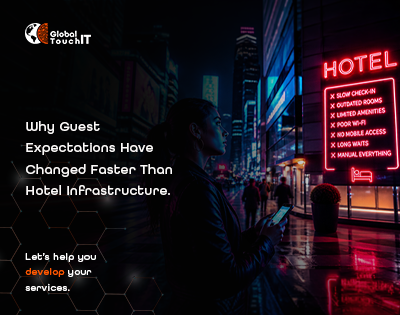
But when these systems do not work together effectively, technology can quickly become a bottleneck rather than an enabler. A slow network can delay check-ins. An outdated server can affect reservations and financial systems. Poor Wi-Fi can frustrate guests and staff alike. Cybersecurity weaknesses can expose sensitive information. And when different systems cannot communicate with one another, employees may find themselves spending valuable time working around technology instead of using it to improve productivity.
For hospitality businesses, reducing these bottlenecks starts with understanding where they occur and taking a proactive approach to IT management.
Identify the Bottlenecks Before They Become Problems
One of the biggest mistakes businesses can make is waiting for technology to fail before addressing it Hospitality operations are particularly vulnerable to downtime because many systems need to operate continuously. A hotel cannot simply stop accepting bookings because its network is down, while a restaurant cannot easily operate if its point-of-sale system is unavailable.
Regular IT assessments can help identify outdated hardware, network limitations, software compatibility issues, insufficient server capacity and potential security vulnerabilities before they impact operations.
This proactive approach allows businesses to address weaknesses strategically rather than responding to costly emergencies.
Build a Reliable IT Infrastructure
The foundation of an efficient hospitality operation is a reliable IT infrastructure. This includes everything from networks, servers and workstations to cloud platforms, connectivity and hardware. Infrastructure should be designed around the operational demands of the property, rather than simply being upgraded whenever something breaks.
For example, a hotel with hundreds of guests simultaneously accessing Wi-Fi, staff using cloud-based systems and multiple departments accessing central applications requires a network capable of handling those demands. Scalable infrastructure also allows businesses to grow without constantly having to replace their technology environment.
Integrate Systems and Reduce Manual Processes
Another significant technology bottleneck is the use of disconnected systems. Hospitality businesses often rely on multiple platforms, including Property Management Systems (PMS), Point-of-Sale (POS) systems, booking engines, accounting platforms, CRM solutions and staff management tools.
When these systems do not communicate effectively, employees may need to enter the same information multiple times or manually transfer data between platforms. This creates unnecessary administration while increasing the risk of human error. Integrating systems where possible can streamline workflows, improve data accuracy and give management a clearer view of the business.
Make Cybersecurity Part of the Infrastructure
Technology bottlenecks are not always about speed or performance. Security weaknesses can also create significant operational disruption. Hospitality businesses handle valuable information, including guest details, payment information and employee data, making them an attractive target for cybercriminals.
A comprehensive cybersecurity strategy should therefore be built into the IT environment from the beginning. This can include secure networks, endpoint protection, access controls, backups, monitoring, employee awareness and regular security assessments. The objective is not simply to prevent an attack, but to ensure that the business can continue operating if something goes wrong.
Invest in Support, Not Just Technology
Even the best technology infrastructure can become a bottleneck if there is nobody available to maintain and support it. Hospitality businesses need access to responsive IT support that understands the importance of uptime and the unique demands of the industry. Proactive monitoring and maintenance can identify potential problems early, while service-level agreements can provide businesses with defined support and response expectations.
Ultimately, technology should make hospitality operations easier, not more complicated. By assessing infrastructure, improving connectivity, integrating systems, strengthening cybersecurity and investing in proactive IT support, hospitality businesses can remove technology bottlenecks and create a more resilient operation.
The result is more than improved IT performance. It means employees can focus on delivering exceptional service, management can make better-informed decisions, and guests can enjoy a smoother, more connected experience.
Technology should be the engine driving hospitality forward — not the obstacle standing in its way.


Comments